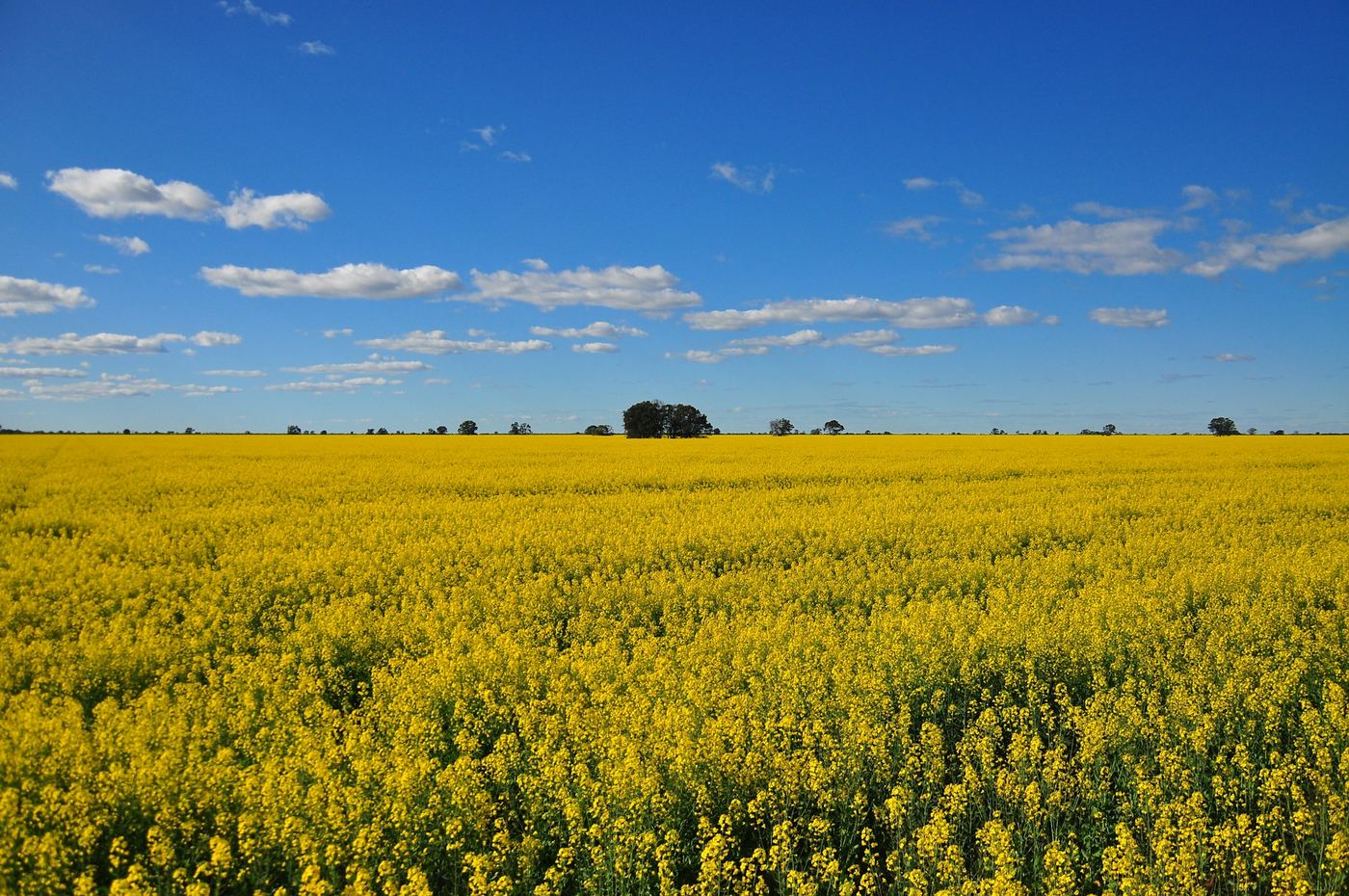
The monitoring core of AgrivaCT is live today: our own cellular soil probes, the farm map and zones, hourly weather for every zone, seeding readiness and field records, on the web and in the app. On top of that, decision support for canola is now being tested in a pilot before general release.
What the pilot does
- Growth stage from heat units: Growing Degree Days, counted from each zone’s sowing date, show which stage a canola crop has reached.
- Two-layer yield prediction: A crop-science baseline corrected by a machine-learning model. Both layers are shown, with a High or Low confidence label.
- The nitrogen rate that pays: A range of rates evaluated for each zone, with fertiliser cost, expected revenue and margin laid out, and how the answer was reached.
- Applications remembered: Record what you actually applied. It is carried into later recommendations, and its effect fades over time.
- Economics per zone: Cost, revenue, margin and nitrogen use efficiency for each zone, side by side.
Science first, with the working shown
Every yield prediction starts from a crop-science baseline, and a machine-learning model corrects it rather than replacing it. Both layers are shown, with a High or Low confidence label that says whether two independent models agree.
What “pilot” means
These features are built and being tested before general release. The yield model is provisional: it is trained on simulated canola seasons and has not yet been validated against real paddocks, so we do not publish accuracy figures.
If you grow canola and would like to be part of the pilot, tell us about your farm.