
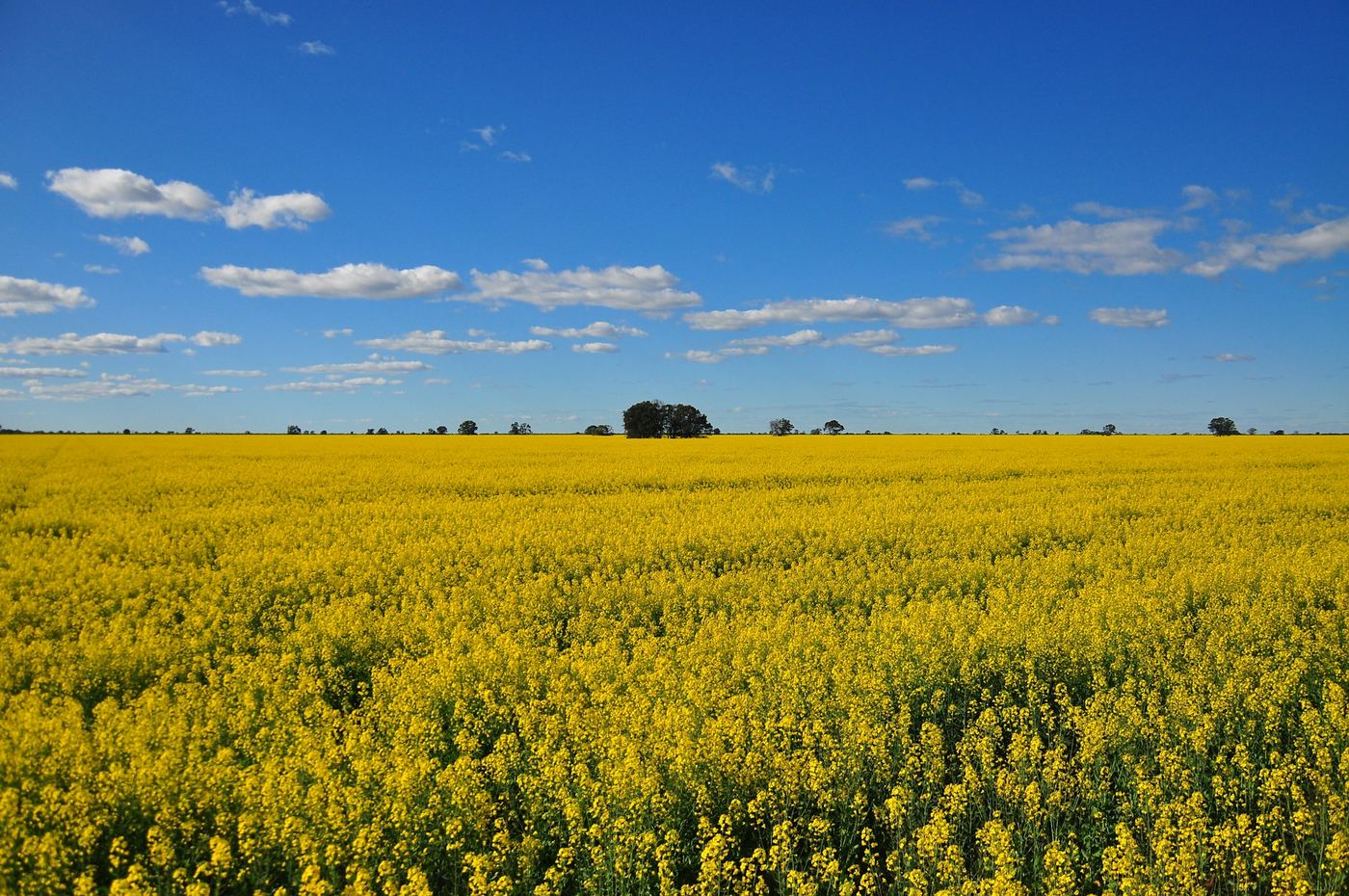
Canola decision support is now in pilot
Growth stage from heat units, a two-layer yield prediction and the nitrogen rate with the best return, zone by zone. Here is what the pilot does, and what “pilot” means.
Newsroom
Product updates, and short guides to the agronomy behind every number, from the team that builds the probes and the platform.
Growth stage from heat units, a two-layer yield prediction and the nitrogen rate with the best return, zone by zone. Here is what the pilot does, and what “pilot” means.
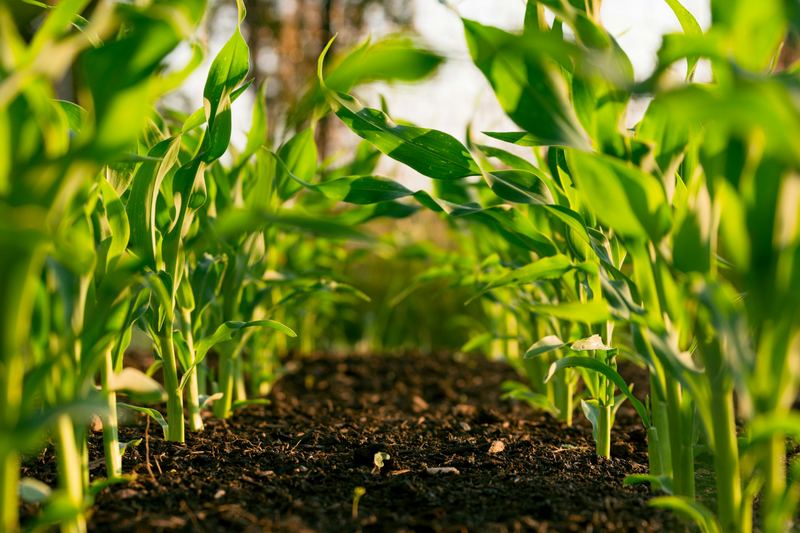
Crops develop by heat, not by the calendar. Growing Degree Days (GDD) add up the useful warmth a crop receives each day above a base temperature: about 5 °C for canola. A warm week moves a crop further along than a cool one, even though both are seven days long.
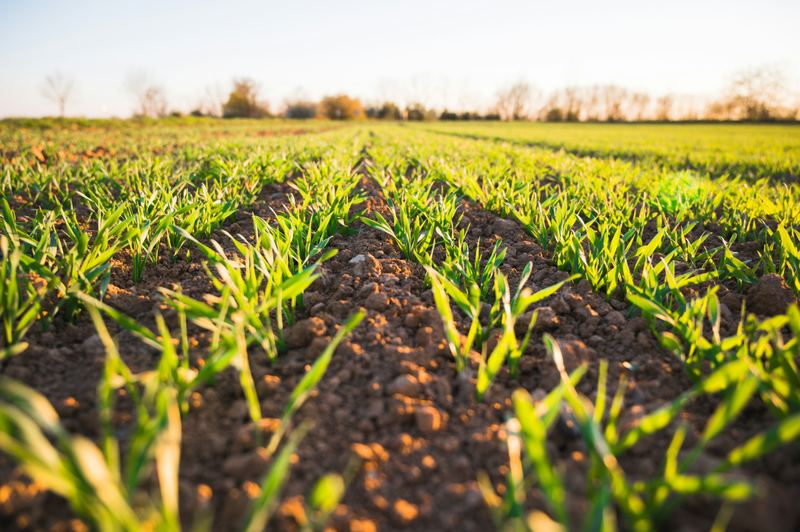
Soil type, organic matter and water-holding capacity can change within a few hundred metres, so different parts of one paddock need different amounts of nitrogen.
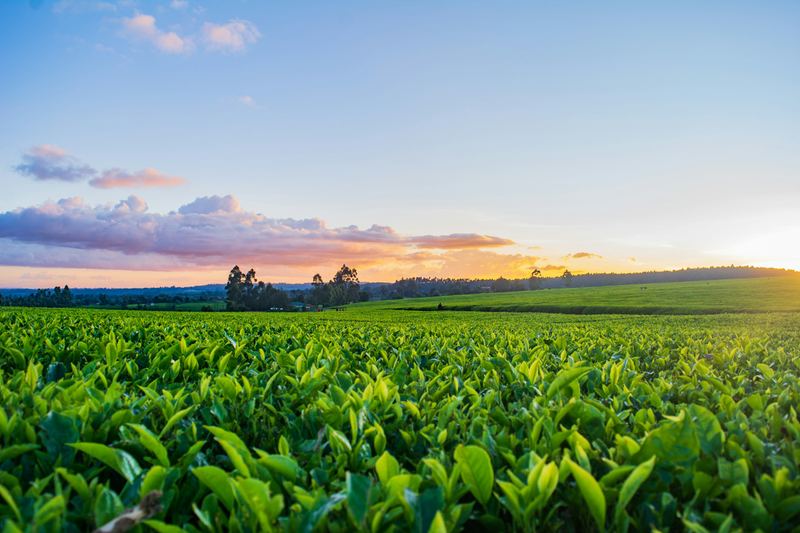
Crop-science formulas describe how crops respond on average. Every farm has patterns those averages miss, such as how a dry spell hits one particular soil. A model trained on weather and soil records can learn patterns like these.

Nitrogen use efficiency (NUE) measures how much crop you get back for each kilogram of nitrogen applied. Low NUE means fertiliser is being lost, washed below the roots or released into the air, instead of feeding the crop.
Request a trial
Tell us about your farm and what you would like to measure. We will tell you honestly how the platform can help.